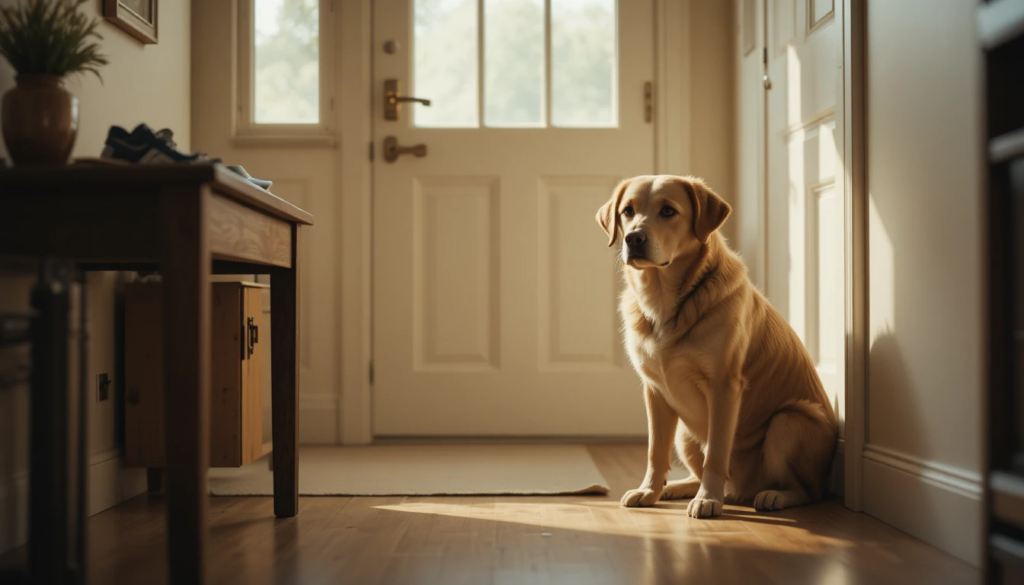
Why Dogs Panic When You Leave Home: Understanding Dog Separation Anxiety
Many pet owners struggle with the same concern: their dog panics the moment they leave the house. From nonstop barking to destructive behavior, these reactions are distressing for both the dog and the owner. In most cases, this behavior is caused by dog separation anxiety, a common but often misunderstood condition.
According to the American Kennel Club (AKC), separation anxiety is one of the most frequently reported behavioral issues in domestic dogs
Understanding why dogs panic when left alone is essential to addressing the problem effectively and humanely.
What Is Dog Separation Anxiety?
Dog separation anxiety is a behavioral condition in which a dog experiences extreme stress when separated from their owner or primary caregiver. Unlike boredom or mild discomfort, separation anxiety triggers panic-level responses that begin shortly after the owner leaves.
The ASPCA explains that dogs with separation anxiety often show symptoms tied specifically to their owner’s absence, not general misbehavior
Dogs with separation anxiety are not misbehaving on purpose. Their actions are driven by fear, insecurity, and emotional dependence.
Dogs Are Hardwired for Companionship
Understanding Dog Separation Anxiety and Its Impact
Dogs are social animals by nature. Historically, survival depended on staying close to the pack. When a dog is left alone at home, their instincts may interpret the separation as abandonment or danger.
Veterinary behaviorists note that modern dogs still retain strong pack-oriented instincts, which explains why isolation can be emotionally distressing
This response is especially strong in dogs that form deep bonds with one person. When that individual leaves, the dog’s sense of safety disappears, triggering anxiety and panic behaviors.
Common Signs of Separation Anxiety in Dogs
Recognizing the symptoms of dog separation anxiety is critical. Common signs include:
- Excessive barking, whining, or howling
- Scratching or chewing doors, windows, or furniture
- Pacing, trembling, or restlessness
- Excessive drooling or panting
- Attempts to escape from crates or confined spaces
- Urinating or defecating indoors despite being house-trained
The RSPCA confirms that these behaviors typically occur only during periods of separation
Past Experiences Increase the Risk
A dog’s background plays a significant role in how they respond to being alone. Dogs are more likely to develop separation anxiety if they have experienced abandonment, shelter living, or frequent rehoming.
Research summarized by PetMD highlights that rescue dogs and dogs with disrupted early bonding are at higher risk
Even dogs without traumatic histories can develop anxiety after major changes, such as moving homes, schedule shifts, or the loss of a family member.
Departure Triggers Make Anxiety Worse
Dogs are highly observant and quickly associate certain actions with their owner’s leaving. Picking up keys or putting on shoes can become anxiety triggers. Over time, this creates anticipatory stress that worsens panic.
Certified trainers often recommend desensitization techniques to break these associations
Lack of Stimulation Contributes to Anxiety
Insufficient exercise and mental stimulation can intensify dog separation anxiety. A physically under-stimulated dog is more likely to become emotionally overwhelmed.
The Humane Society emphasizes the importance of enrichment for preventing anxiety related behaviors
Fear, Not Disobedience
It is essential to understand that dogs suffering from separation anxiety are not being destructive out of spite. Punishment often worsens the problem by increasing fear and confusion, a point consistently supported by veterinary behavior research.
When your dog panics as you leave home, it is a clear sign of emotional distress. Dog separation anxiety is rooted in fear, attachment, and insecurity, not bad behavior. By understanding the causes and recognizing the signs, you can take informed steps toward helping your dog feel safe and secure when alone.
Frequently Asked Questions:
What causes dog separation anxiety?
Dog separation anxiety is caused by emotional distress when a dog is separated from their owner. Common causes include strong attachment, past abandonment, shelter history, sudden routine changes, lack of stimulation, and fear of being alone.
How do I know if my dog has separation anxiety or is just bored?
Dogs with separation anxiety show panic-driven behaviors such as continuous barking, escape attempts, pacing, or accidents that occur shortly after the owner leaves. Boredom-related behaviors typically happen sporadically and are not directly tied to the owner’s absence.
Can separation anxiety develop suddenly in dogs?
Yes, separation anxiety can develop suddenly. Changes such as moving to a new home, altered work schedules, the loss of a family member, or reduced time spent together can trigger anxiety even in dogs that were previously comfortable being alone.
Is separation anxiety common in rescue dogs?
Separation anxiety is more common in rescue and shelter dogs, especially those that experienced abandonment or frequent rehoming. However, it can affect any dog regardless of background, breed, or age.
Do certain dog breeds get separation anxiety more often?
While any breed can develop separation anxiety, highly social and people oriented breeds such as Labrador Retrievers, German Shepherds, Border Collies, and Cavalier King Charles Spaniels may be more prone due to strong attachment tendencies.
Does punishing a dog help stop separation anxiety?
No, punishment does not help and often worsens separation anxiety. Since the behavior is driven by fear and panic, punishment increases stress and confusion, making the anxiety more severe.
At what age can dogs develop separation anxiety?
Separation anxiety can develop at any age. Puppies may show early signs due to insecurity, while adult or senior dogs may develop it after lifestyle changes, trauma, or loss of companionship.
Can dogs outgrow separation anxiety on their own?
Most dogs do not outgrow separation anxiety without intervention. With proper training, routine, enrichment, and sometimes professional guidance, symptoms can be significantly reduced or managed.
Should I see a vet for dog separation anxiety?
Yes, consulting a veterinarian or certified canine behaviorist is recommended. A vet can rule out medical issues and help determine whether behavioral training or anxiety-management strategies are appropriate.