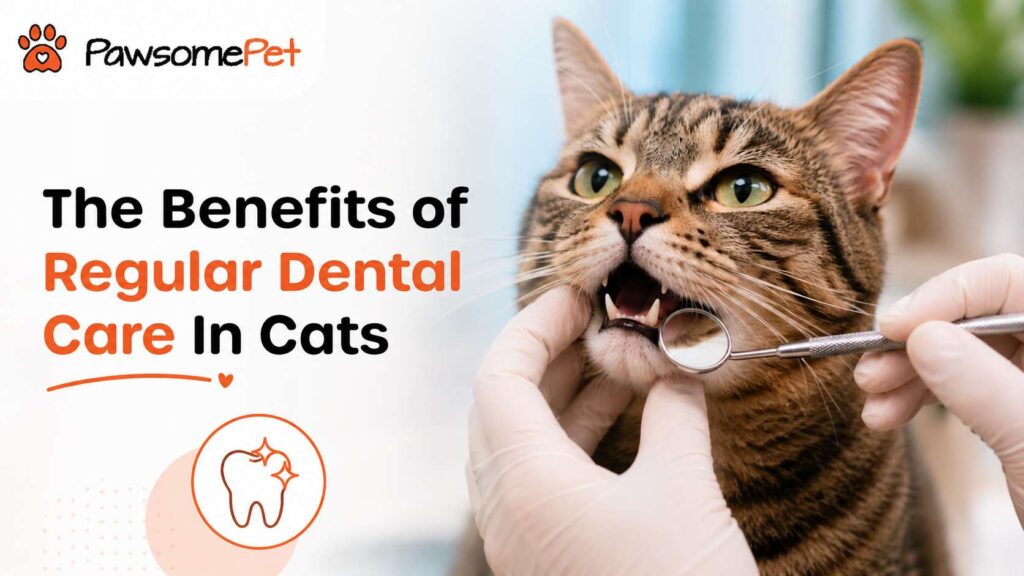
The Benefits of Regular Dental Care In Cats
Most cat owners notice bad breath long before they realize their cat is already dealing with painful dental disease. The problem is that cats are experts at hiding discomfort. A cat can keep eating, playing, and acting normal while silently dealing with inflamed gums, loose teeth, oral infections, and chronic pain.
That is why regular dental care in cats matters far more than most people think.
Dental disease is one of the most common health conditions seen in adult cats in the United States. According to the American Veterinary Medical Association, many cats show signs of dental disease by the age of three. What starts as mild plaque buildup can eventually affect the gums, jawbone, kidneys, and heart if left untreated.
The good news is that most feline dental problems are preventable with consistent care, professional cleanings, and early monitoring.
This guide explains the real benefits of regular dental care in cats, what veterinarians look for during exams, the warning signs owners often miss, and the simplest ways to protect your cat’s long-term health.
Why Is Dental Care Important for Cats?
Dental care is not just about cleaner teeth or fresher breath. Oral health directly affects a cat’s overall health, comfort, and quality of life.
When plaque and tartar build up on a cat’s teeth, bacteria start spreading below the gumline. Over time, this can lead to:
- Gingivitis
- Periodontal disease
- Tooth loss
- Oral infections
- Pain while eating
- Inflammation linked to internal organ damage
Dr. Jan Bellows, a board-certified veterinary dentist and former president of the American Veterinary Dental College, has repeatedly emphasized that untreated periodontal disease allows bacteria to enter the bloodstream and potentially impact organs such as the kidneys, liver, and heart.
Cats also develop a painful condition called feline tooth resorption, where the tooth structure slowly breaks down. Studies published in the Journal of Feline Medicine and Surgery suggest this condition affects a large percentage of adult cats, especially seniors.
What Are the Benefits of Regular Dental Care In Cats?
1. Prevents Painful Dental Disease
One of the biggest benefits of routine dental care is preventing periodontal disease before it becomes severe.
Early dental cleanings remove plaque before it hardens into tartar. Once tartar forms below the gumline, it creates the perfect environment for bacterial infection.
Cats with advanced dental disease often experience:
- Swollen gums
- Bleeding while eating
- Tooth root infections
- Facial swelling
- Chronic mouth pain
The challenge is that many cats continue eating despite severe discomfort. Regular dental exams help veterinarians catch these problems early.
2. Helps Cats Live Longer, Healthier Lives
Chronic inflammation inside the mouth does not stay isolated there. Research in veterinary medicine continues to show connections between oral bacteria and systemic disease.
According to the Cornell Feline Health Center, untreated dental infections may contribute to complications involving:
- Kidneys
- Liver
- Heart
- Immune system function
Cats, already prone to kidney disease, especially senior cats, may face higher health risks when chronic oral inflammation is ignored.
This is one reason many veterinarians now recommend yearly dental evaluations even for apparently healthy indoor cats.
3. Improves Appetite and Eating Comfort
A cat with dental pain may still approach food but chew differently, drop food, or avoid dry kibble entirely.
After professional dental treatment, many owners notice immediate improvements such as:
- Better appetite
- Increased activity
- More grooming behavior
- Improved mood
- Weight stabilization
Dr. Eric Davis, professor at the College of Veterinary Medicine at Kansas State University, notes that dental pain in pets is frequently underestimated because animals instinctively hide weakness.
Cats are particularly skilled at masking oral discomfort until the condition becomes advanced.
4. Reduces Expensive Emergency Dental Procedures
Preventive care almost always costs less than advanced dental treatment.
Routine oral exams and cleanings help avoid:
- Tooth extractions
- Emergency infections
- Abscess surgeries
- Advanced periodontal treatment
- Sedation complications from delayed care
Many veterinarians explain that annual dental maintenance is significantly easier and safer than treating years of neglected disease.
For clinics that train veterinary teams on preventive dentistry, educational resources like veterinary webinars often help professionals stay updated on new feline dental protocols and anesthesia safety standards.
What Are the Signs of Dental Problems in Cats?
Many symptoms appear subtle at first.
Common warning signs include:
- Persistent bad breath
- Red or swollen gums
- Yellow or brown tartar buildup
- Drooling
- Pawing at the mouth
- Eating slowly
- Weight loss
- Bleeding from the mouth
- Avoiding hard food
- Sudden irritability
Some cats also stop grooming themselves because mouth pain makes grooming uncomfortable.
If any of these symptoms appear, a veterinary dental exam is usually recommended.
How Often Should Cats Get Dental Checkups?
Most veterinarians recommend:
- Annual oral exams for healthy adult cats
- More frequent monitoring for senior cats
- Earlier dental assessments for breeds prone to dental disease
Some breeds, including the Persian cat and the Siamese cat, may develop dental crowding or oral issues more easily than others.
Professional cleanings usually require anesthesia because veterinarians need to clean below the gumline safely and thoroughly. Non-anesthetic dental cleanings often fail to treat the areas where disease develops most aggressively.
What Does a Professional Cat Dental Cleaning Include?
A veterinary dental procedure usually includes:
- Full oral examination
- Dental X-rays
- Plaque and tartar removal
- Cleaning below the gumline
- Tooth polishing
- Evaluation for extractions or infections
Dental radiographs are especially important because many feline dental problems develop below the visible surface.
According to the American Animal Hospital Association, dental X-rays are considered a critical part of proper veterinary dentistry.
Can You Clean a Cat’s Teeth at Home?
Yes, but consistency matters more than perfection.
The most effective home dental habits include:
Tooth Brushing
Veterinary-approved cat toothpaste and soft brushes help reduce plaque buildup.
Even brushing a few times weekly can improve oral health significantly.
Never use human toothpaste because fluoride and xylitol can be toxic to cats.
Dental Treats and Diets
Some dental diets are scientifically designed to reduce tartar accumulation through texture and chewing action.
The Veterinary Oral Health Council evaluates products that meet oral health effectiveness standards.
Water Additives and Oral Gels
Certain products may help reduce bacteria inside the mouth, though they work best alongside brushing and professional care.
Many veterinary clinics also rely on specialized veterinary supplies designed specifically for feline oral care, including dental instruments, oral rinses, and prescription dental diets.
Are Indoor Cats Less Likely to Have Dental Disease?
No. Indoor cats are still highly vulnerable to dental disease.
In fact, many indoor cats live long enough to develop chronic periodontal issues simply due to aging and plaque accumulation.
Diet, genetics, grooming habits, and routine veterinary care all influence oral health more than indoor versus outdoor living.
Common Myths About Dental Care In Cats
Myth 1: Bad Breath Is Normal
Bad breath is usually one of the earliest signs of dental disease or infection.
Healthy cats should not have extremely foul-smelling breath.
Myth 2: Dry Food Cleans Teeth Completely
Dry food alone does not prevent periodontal disease.
Plaque still forms below the gumline where kibble cannot effectively clean.
Myth 3: Cats Stop Eating When Dental Pain Gets Severe
Many cats continue eating despite advanced oral disease because survival instincts override pain behaviors.
That is why regular exams matter even when cats seem normal.
How Early Should Dental Care Start?
Veterinarians recommend introducing oral care routines during kittenhood whenever possible.
Early training helps cats become more comfortable with:
- Tooth brushing
- Mouth handling
- Oral exams
- Dental products
Cats introduced to dental care early are often easier to manage during professional cleanings later in life.
The Real Goal of Dental Care In Cats
The goal is not cosmetic.
Good dental care protects a cat from chronic pain, hidden infections, inflammation, and avoidable health complications that quietly reduce quality of life over time.
Many owners notice their cats becoming more energetic and social after proper dental treatment because the discomfort they had normalized finally disappears.
That shift alone says a lot about how much oral health affects everyday feline wellbeing.
Veterinary dentists often repeat the same message: cats rarely complain about dental pain, but they absolutely feel it.